
Introduction
Few things are more frustrating than trying to stream a video, join a video call, or browse the web only for your internet to suddenly freeze, stutter, or disconnect. This sudden dip in speed or stability is known as Internetchock a common modern-day annoyance that most of us experience far too often.
In today’s hyper-connected world, where remote work, online learning, and smart homes are becoming the norm, a reliable internet connection isn’t just a luxury, it’s a necessity. Yet even with advanced fiber optics and 5G, users experience lags and disruptions without warning.
In this article, we’ll dive deep into what causes Internetchock, how to identify it, and most importantly how to fix and prevent it. Whether you’re a gamer, remote worker, content streamer, or tech enthusiast, understanding Internetchock helps you take control of your online experience. Let’s explore what’s interrupting your connection and how to stop it.
What Is Internetchock, and Why Should You Care?
Internetchock is more than just a slang term; it’s the manifestation of sudden internet instability, often without a clear reason. This condition disrupts streaming, gaming, video conferencing, or even simple browsing.
What Causes Internetchock?
- ISP congestion: Multiple users on a shared network can strain bandwidth.
- Router overload: Too many connected devices overload older or low-spec routers.
- Outdated firmware or devices: Older hardware lacks efficient data handling capabilities.
- Interference: Wireless signals can be disturbed by walls, microwaves, or other electronics.
Why It Matters
- Cuts productivity: Remote workers and students suffer during dropped connections.
- Kills entertainment experience: Buffering destroys binge-worthy moments.
- Affects smart homes: Your smart thermostat or security cams lose functionality.
- Inhibits communication: Laggy video conferences disrupt global business.
Understanding Internetchock is the first step to preventing it. As we explore deeper, you’ll learn practical ways to diagnose and cure your unstable internet.
Common Symptoms of Internetchock You Shouldn’t Ignore
Internet shock might creep in quietly, but its symptoms are disruptive and sometimes costly.
Watch Out for These Signs
- Frequent buffering: Especially during YouTube, Netflix, or live streams.
- Lag in online games: Noticeable delays even with high-speed claims.
- Dropped video calls: Zoom, Google Meet, etc., freezing or disconnecting.
- Slow downloads: Even small files take forever to download.
- Wi-Fi disconnections: Devices randomly drop off the network.
Real-Time Tools for Detection
- Speedtest.net – Measures download/upload latency.
- PingPlotter—Visualizes real-time network performance.
- GlassWire —monitoring bandwidth-hogging apps or devices.
- Wireshark—Detects data packet loss or network disruptions.
Recognizing Internetchock symptoms helps you move quickly to find the right solution before it ruins another day.
Top Causes of Internetchock in 2025
The root causes of Internetchock have grown as our reliance on the internet has increased. Here are the main culprits behind the unstable connections:
Key Contributors
- ISP Throttling: Some providers slow down speeds if they detect heavy usage.
- Peak-hour congestion: Too many users accessing limited bandwidth simultaneously.
- Weak signal strength: Long distances or thick walls hinder consistent connectivity.
- Outdated hardware: Your 2015 router may be struggling to handle today’s bandwidth.
- Background apps: Silent apps syncing or updating steal bandwidth.
Environmental Factors
- Weather disruptions: Especially for satellite or rural internet services.
- Construction: Nearby infrastructure changes may interfere with physical cabling.
- Inter-device clashes: Having too many devices talking to each other wirelessly can confuse your network.
Knowing the root cause allows you to implement targeted solutions, whether it’s upgrading your plan, replacing your router, or simply rearranging furniture.
Diagnosing Internetchock
Before calling your ISP, conduct your own network detective work.
Step-by-Step Troubleshooting
- Please conduct an internet speed test to ensure you are receiving the service you are paying for.
- Reconnect to the router—Sometimes a reboot is all it takes.
- Try a wired connection—Ethernet always outperforms Wi-Fi.
- Eliminate background clutter—close unnecessary apps or devices.
- Check hardware age—modems/routers older than five years usually need replacement.
- Update firmware—both your router and devices.
- Ping and traceroute tests—Identify where delays are happening.
Tip
If using a VPN, disconnect it to test raw ISP speed. Some VPNs bottleneck your connection.
By isolating the problem yourself, you avoid unnecessary technician calls and resolve Internet choke faster.
How to Fix Internet Choke Permanently
Understanding the causes helps identify fixes. Now, let’s apply those.
Proven Fixes
- Upgrade your router—look for Wi-Fi 6/6E or 7 models for improved throughput.
- Switch bands—use 5 GHz for speed, 2.4 GHz for range.
- Limit connected devices—Smart bandwidth limits can stop device overload.
- Use Ethernet when possible—direct connections reduce packet loss.
- Enable QoS (Quality of Service)—Prioritize key tasks like video calls or gaming.
Long-Term Solutions
- Change ISPs—if throttling or congestion is persistent.
- Install mesh Wi-Fi systems—ideal for large homes or multi-story spaces.
- Work with a static IP—helps avoid issues with disconnects during high-data use.
Combining hardware investments with smart settings offers long-term relief from Internetchock.
Internet Choke in Smart Homes and IoT Devices
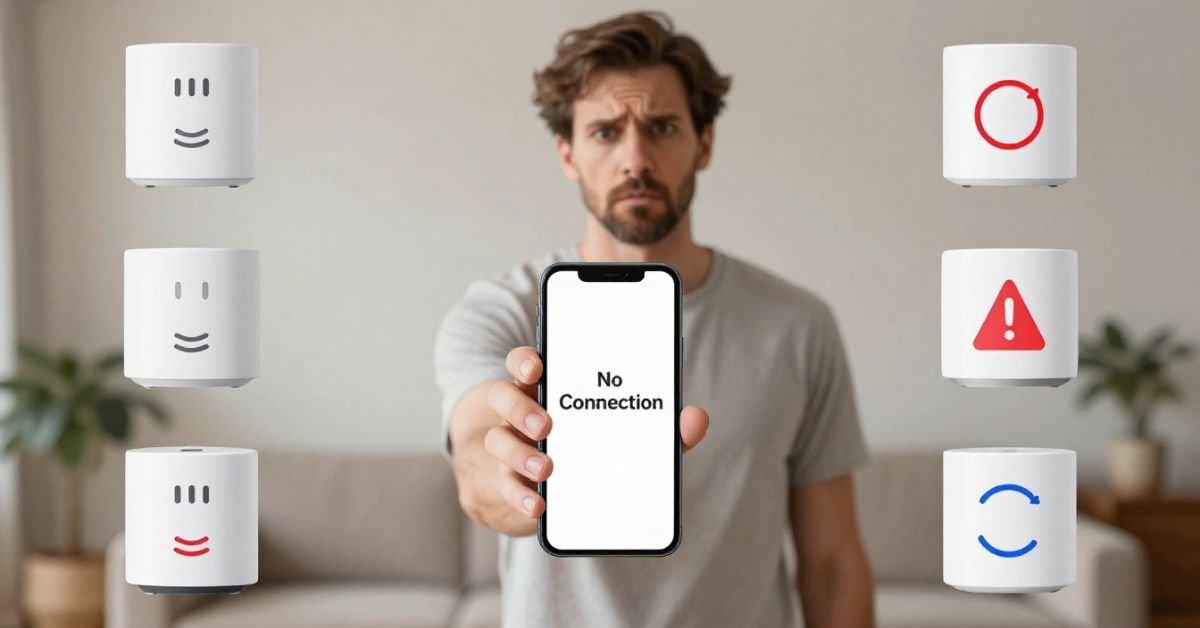
Smart homes are only as smart as their internet. Internet shock throws a wrench into that harmony.
Smart Devices Affected
- Voice Assistants (Alexa, Google): Unresponsive or disconnecting.
- Cameras: Security footage cuts or delays.
- Smart TVs: Constant buffering during streaming.
- Thermostats & Lighting: Automations fail or become delayed.
Optimization Tips
- Dedicated networks: Segment IoT from general internet usage.
- Turn off unused devices: Reduces strain.
- Keep firmware updated: Outdated IoT software can drain bandwidth and introduce vulnerabilities.
Preventing Internetchock in your smart home setup ensures security, convenience, and efficiency.
How Internet Shock Affects Remote Work & Online Learning
Working from home and virtual schools depend on internet stability. Internet shock creates professional and educational hurdles.
Negative Impacts
- Missed deadlines: Upload delays on cloud platforms.
- Unreliable communication: Voice or video lags.
- Decreased participation: Students discouraged by connection issues.
- Frustrated employers or teachers: Consistent disruptions can harm reputations.
Solutions
- Prioritize connectivity tools: Use wired connections for Zoom, Teams, etc.
- Schedule heavy downloads: Outside peak hours.
- VPN optimization: Some office networks throttle speeds.
- Invest in enterprise-grade routers: Even for home setups.
Addressing Internetchock in remote work/learning environments ensures that productivity doesn’t take a hit.
Choosing the Right Hardware to Avoid Internet Shock
Your hardware matters more than you think.
Comparison of Popular Routers in 2025
| Router Model | Frequency | Wi-Fi Standard | Best For | Price Range |
| ASUS RT-AXE7800 | Tri-band | Wi-Fi 6E | Gaming/4K | $299 |
| TP-Link Deco XE75 | Mesh | Wi-Fi 6 | Large Homes | $259 |
| NETGEAR Orbi 970 | Mesh Tri-band | Wi-Fi 7 | Smart Homes | $599 |
| Google Nest WiFi Pro | Dual-band | Wi-Fi 6E | General Use | $199 |
| Ubiquiti UniFi Dream Router | Dual-band | Wi-Fi 6 | Advanced Users | $379 |
Look for routers equipped with adaptive QoS, multi-gig LAN ports, and AI-based traffic management.
Internetchock Resolved
Remote Designer in NYC
Problem: Daily Zoom call drops, cloud updates taking hours
Solution: Upgraded to Wi-Fi 6E router + Ethernet for PC
Result: Consistent 300 Mbps speed, zero call drops
Family of 5 in Suburbs
Problem: Evening buffering spree with Netflix, gaming lag
Solution: Installed mesh Wi-Fi and set up bandwidth prioritization
Result: Seamless streaming across all rooms
These examples prove that handling Internetchock with modern tools and awareness can completely transform your experience.
Future-Proofing Against Internet Shock
As we race into digital living, the demand for a stable internet will only grow. Future-proofing now ensures smooth sailing.
Tips for the Road Ahead
- Invest in Wi-Fi 7: Designed for high-bandwidth smart living.
- Fiber-optic over cable: Future-ready and scalable as data needs grow.
- Monitor bandwidth use: Apps like Fing or NetSpot offer real-time diagnostics.
- Educate household users: Teach bandwidth etiquette (no 4K streams during meetings!).
Being proactive ensures Internetchock doesn’t sneak its way back again.
FAQs
What exactly causes Internet shock?
Internet choke is caused by interruptions or slowdowns in internet service, often due to bandwidth overload, outdated equipment, or ISP-level issues.
Can my Wi-Fi router be the problem?
Absolutely. Old, outdated routers are common culprits behind Internet choke. Upgrading can significantly improve performance.
How is Internetchock different from general slow internet?
“Internetchock” refers specifically to sudden, temporary disruptions, whereas generally slow internet is often constant or predictable.
Will a mesh Wi-Fi system solve Internetchock?
Yes, especially in larger homes or areas with poor signal coverage, a mesh system offers consistent connectivity.
How can I prevent Internetchock in a smart home?
Segment the IoT network, limit unnecessary connections, and maintain firmware updates. Use devices compatible with the latest Wi-Fi standards.
Conclusion
Internetchock is the invisible tech monster we all face but now you know how to spot it, diagnose it, and crush it. Whether it strikes in the middle of a Zoom call, gaming session, or binge weekend, Internetchock doesn’t have to be a recurring nightmare. From identifying the signs to upgrading your router or setting up smart mesh networks, the solutions are clearer and more accessible than ever.
Technology is meant to empower, not frustrate. With the right tools, knowledge, and a bit of proactive tweaking, you can finally achieve the internet experience you deserve fast, stable, and shock-free. Ready to kick Internetchock to the curb? Take control of your connectivity today.
Staying connected in today’s digital-first world isn’t just about speed, it’s about consistency and reliability. Internet shock disrupts not only your internet but also your productivity, communication, and peace of mind. By understanding its root causes and applying the right solutions from hardware upgrades to smarter network management you can build a resilient, future-ready internet setup at home or work. Don’t wait for another dropped call or buffering screen to optimize your network today, and enjoy the seamless online experience you deserve.