Introduction
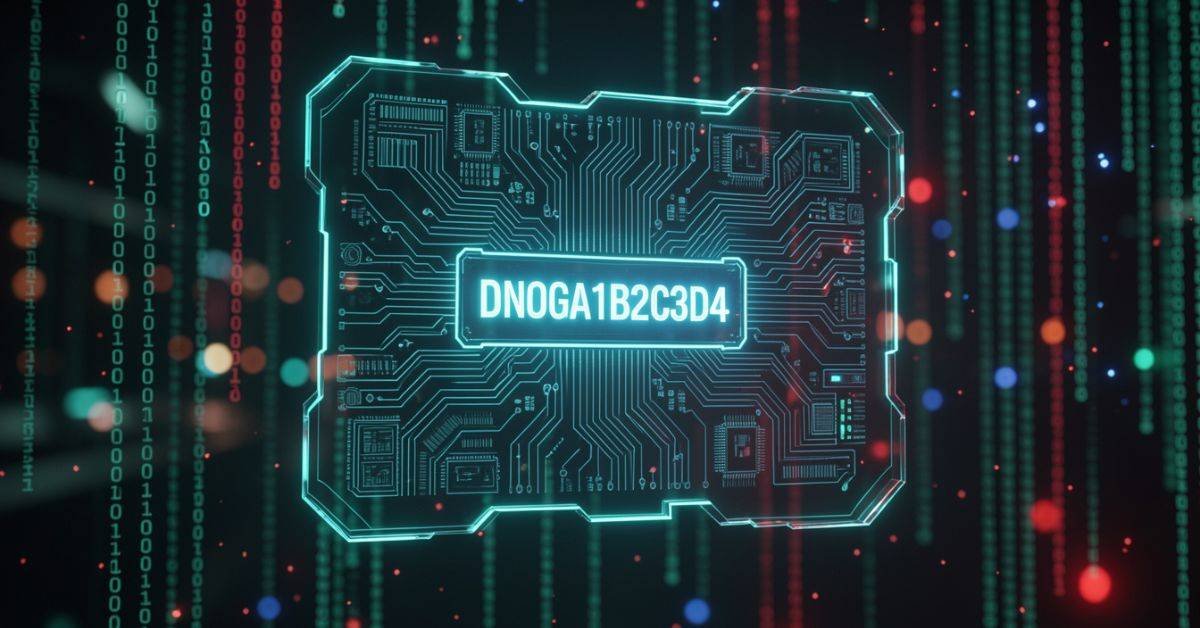
Have you ever seen a strange mix of letters and numbers online and wondered what it means? Maybe you found it in a website link, a log file, or a system message. One such example that has caught attention in 2026 is dnoga1b2c3d4. At first glance, it looks random. But in the world of technology and cybersecurity, even small codes can raise big questions. Is it a virus? A tracking code? A hidden message? Or just a test string made by a developer?
In this easy-to-understand guide, we’ll explain what dnoga1b2c3d4 could be, why people are talking about it, and whether you should worry. We’ll break everything down in simple language so even a 7th-grade student can follow along.
Why Are People Talking About Dnoga1b2c3d4?
The tech world often notices unusual patterns. When a code like dnoga1b2c3d4 appears in forums, log files, or websites, people get curious. There are three main reasons why this kind of code attracts attention:
- It looks unusual.
- It has no clear explanation.
- It mixes letters and numbers in a pattern.
In cybersecurity, strange codes sometimes turn out to be linked to malware or hidden tracking systems. Other times, they are completely harmless. Because no official company or organization has claimed ownership of dnoga1b2c3d4, people began asking questions online. In 2026, online communities are very quick to notice patterns. A simple code can become a trending topic if enough people see it.
What Does Dnoga1b2c3d4 Look Like Technically?
Let’s break it down. The code has:
- Letters at the beginning
- Numbers mixed at the end
- A simple, readable pattern
It does not look encrypted. Real encrypted data usually looks longer and more complex. For example, modern encryption systems like SHA-256 create 64-character strings, not short ones like dnoga1b2c3d4. This tells us something important: the code may not be advanced or secure. It could be something simple.
Common Types of Similar Codes in Technology
In technology systems, short letter-number combinations are common. They appear in apps, websites, and software tools. Below is a simple comparison table.
Common Types of Alphanumeric Codes
| Type of Code | Where You See It | Risk Level |
| Test Code | Developer testing systems | Very Low |
| Session ID | Website login sessions | Low |
| Tracking Parameter | Website URLs and ads | Low |
| Malware Identifier | Infected systems | High |
| File Hash (Shortened) | Security tools | Medium |
As you can see, not all strange codes are dangerous. In fact, most are harmless. Right now, there is no official cybersecurity report linking dnoga1b2c3d4 to malware, ransomware, or spyware in 2026.
Could Dnoga1b2c3d4 Be a Virus?
This is one of the most common questions people ask. The short answer: there is no proof that dnoga1b2c3d4 is a virus. Cybersecurity experts do not label something as malware unless it:
- Steals data
- Damages files
- Connects to harmful servers
- Spreads automatically
According to guidance from CISA (Cybersecurity & Infrastructure Security Agency, 2026), a simple code alone is not enough to confirm a cyber threat. There must be harmful behavior connected to it. So far, there are no confirmed reports of harmful actions linked to this specific string.
Why Developers Use Random-Looking Codes

Many people don’t realize how often developers create random-looking codes. Programmers use short strings like dnoga1b2c3d4 for:
- Testing features
- Labeling internal tools
- Tracking experiments
- Creating temporary IDs
During software development, it is faster to type a quick mix of letters and numbers than to create a meaningful name. For example, a developer testing a login system might generate a quick ID just to see if it works. That code might accidentally appear in logs or links. In 2026, with millions of apps running worldwide, small test identifiers will appear everywhere.
How Cybersecurity Experts Investigate Strange Codes
When experts see a code like it, they follow a process.
First, they check where it appeared. Was it in a website link? A system error? A suspicious file?
Second, they compare it with threat databases like the following:
- CISA advisories (cisa.gov)
- NIST cybersecurity framework (nist.gov)
- MITRE ATT&CK database
Third, they monitor behavior. If the code connects to harmful activity, then it becomes important.
Without suspicious behavior, most codes are treated as harmless digital artifacts.
Signs a Code Might Be Dangerous
Not all codes are safe. Some are part of real cyberattacks. Here are warning signs professionals look for:
- The code keeps appearing repeatedly in unknown programs
- It connects to strange internet addresses
- It appears during system crashes
- Security software flags it
So far, none of these signs have been confirmed for dnoga1b2c3d4 in 2026 reports. This suggests it is likely not a serious threat.
How to Stay Safe If You See Strange Codes
Even though most codes are harmless, you should always be cautious. Here are simple safety steps:
- Do not click suspicious links.
- Keep your antivirus updated.
- Update your operating system regularly.
- Scan unknown files before opening them.
Cybersecurity in 2026 focuses on prevention. The best defense is strong security habits.
Comparing Harmless vs Dangerous Code Patterns
Understanding the difference helps reduce panic.
Harmless Code vs Malicious Code
| Feature | Usually Harmless Code | Potentially Malicious Code |
| Length | Short and simple | Often long or encoded |
| Behavior | No system changes | Alters files or settings |
| Internet Activity | None | Connects to unknown servers |
| Security Alerts | No warnings | Flagged by antivirus |
| Official Reports | None | Listed in threat databases |
Based on current 2026 data, dnoga1b2c3d4 matches more closely with the harmless category.
Why Random Codes Spread Online
Sometimes, attention makes something seem bigger than it is. In online communities, when one person asks about a strange string like dnoga1b2c3d4, others start searching too. This makes it easier for search engines to find.
This is known as a digital curiosity cycle. A simple unknown item becomes popular because people want answers. Not every trending code is dangerous. Many are just misunderstood.
The Importance of Context in Cybersecurity
Cybersecurity experts always say context matters. A code by itself means very little. What matters is:
- Where it was found
- What it was doing
- Whether it caused harm
Without context, even a harmless string can look scary. In modern security systems, AI tools scan millions of identifiers daily. Most are ignored because they show no harmful behavior. That is likely the case here.
FAQs
What is dnoga1b2c3d4?
It is a short alphanumeric code that has gained attention online, but its exact origin is unknown.
Is it a virus?
There is no official evidence in 2026 linking it to malware or viruses.
Where might it appear?
It could show up in website links, log files, or software testing environments.
Should I worry if I see dnoga1b2c3d4?
No, unless it is connected to suspicious activity on your device.
How can I stay safe from unknown codes?
Keep your system updated, use antivirus software, and avoid clicking unknown links.
Conclusion
In simple words, dnoga1b2c3d4 is just a strange-looking mix of letters and numbers that people noticed online. Right now, there is no strong proof that it is a virus or something dangerous. Most signs suggest it could be a test code, a tracking ID, or just a random system label.
The most important thing to remember is this: not every unusual code means trouble. In technology, random-looking strings are very common. What really matters is whether the code is connected to harmful behavior.
If you ever see something similar, stay calm. Keep your device updated, use trusted security software, and check reliable sources for information. Learning how technology works is the best way to stay safe and confident online.